
Projects
Hydrophone locations, research, and outreach from the Orcasound community.
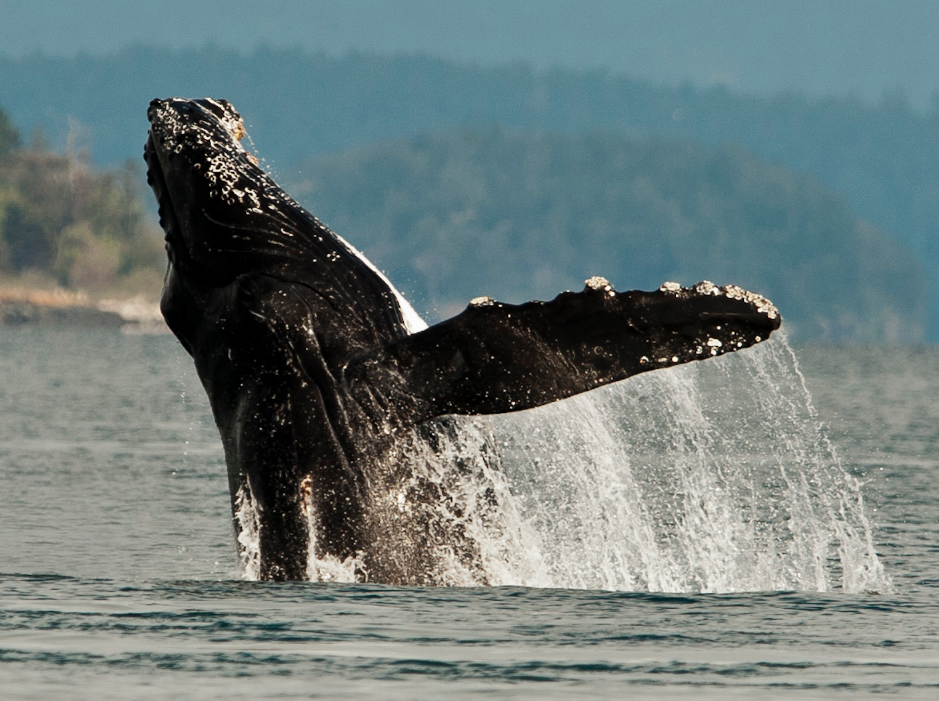
Gray Whale Call Catalog
Gray whales in the Northeast Pacific normally migrate from southern breeding grounds in Baja California, Mexico, to northern feeding grounds on Arctic continental shelves. Beginning in 1990, though, some diverted on…
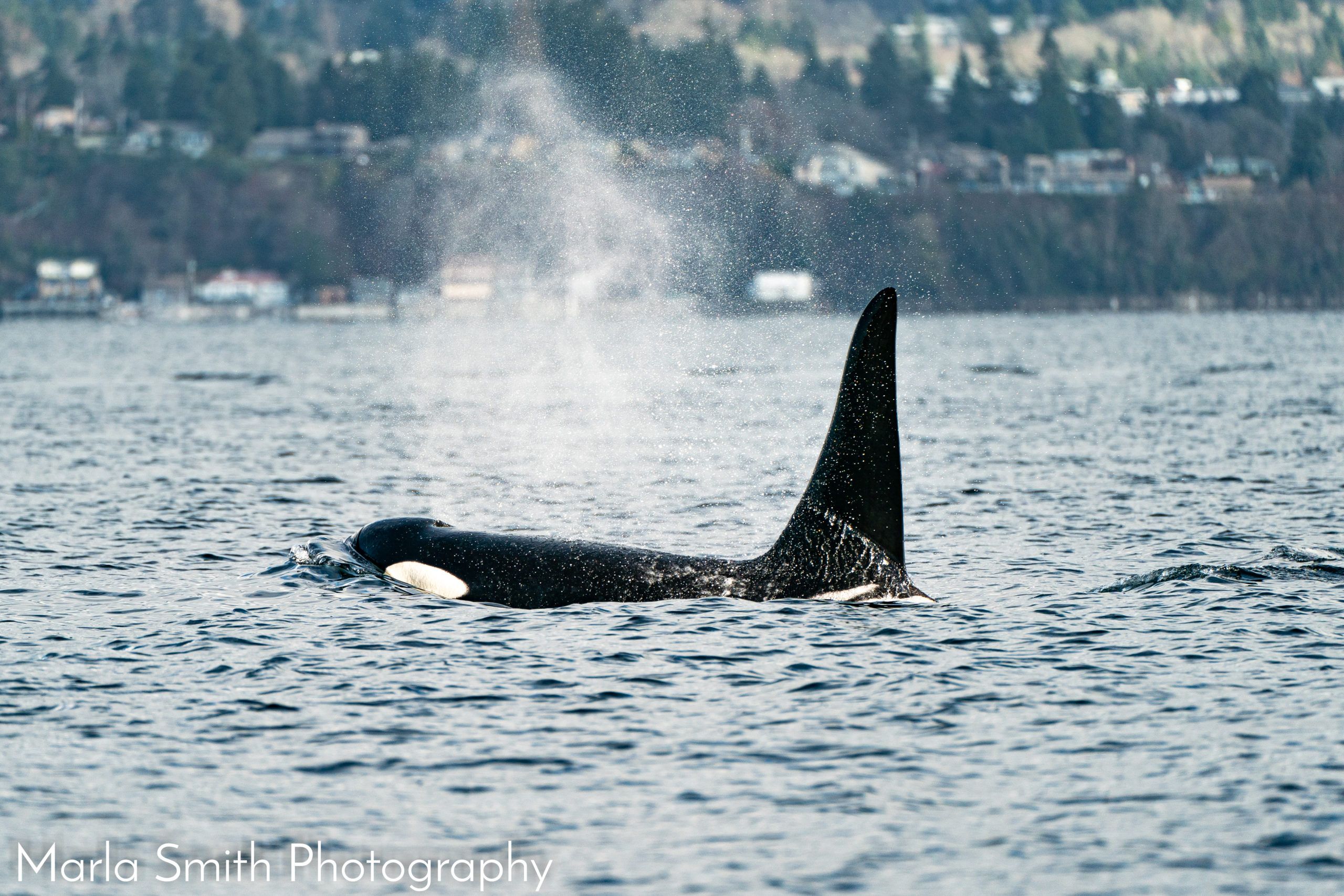
SRKW Click Catalog
Orcas (Orcinus orca) are highly social, vocal animals that produce an array of vocalizations; calls, whistles, clicks, and percussives. Their various calls and whistles have been documented, categorized, cataloged, and…
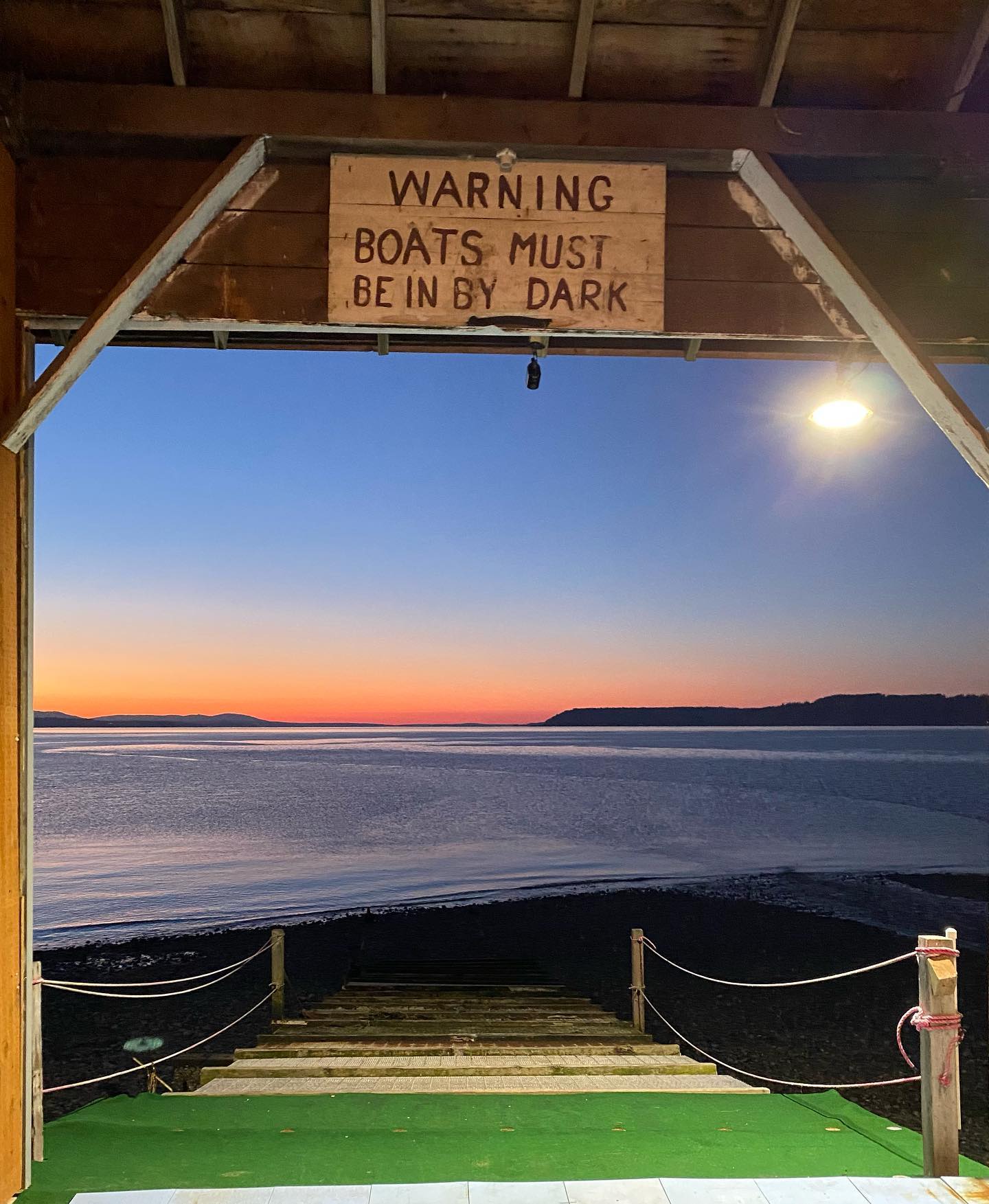
Sunset Bay hydrophone
Located at the Beach Camp at Sunset Bay Wharf, about halfway between the Edmonds and Mukilteo ferry docks, this site is a good place to listen to the large area where Puget Sound and Possession Sound meet between…
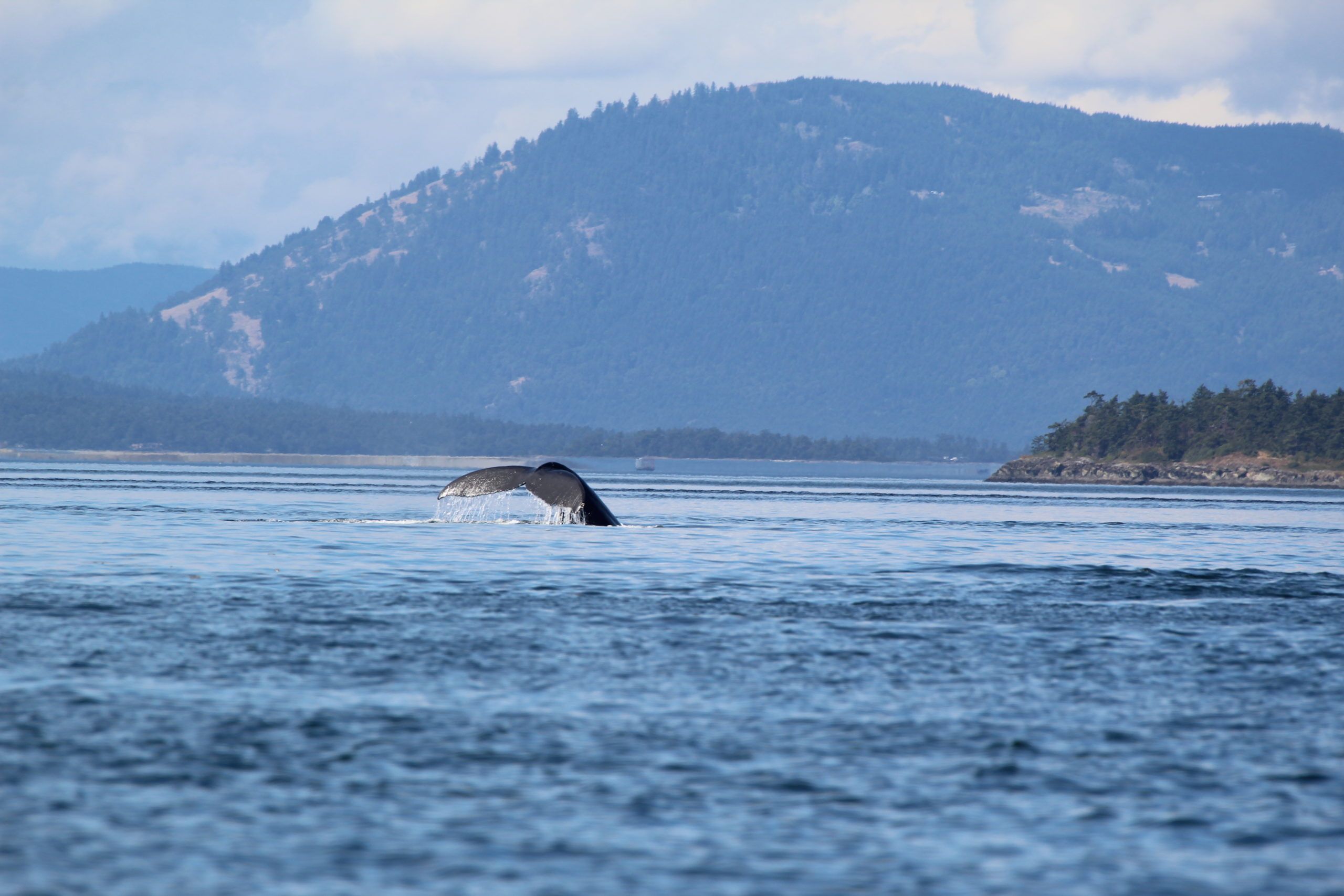
Salish Sea Humpback Vocalization Catalogue
Version 1 created by Emily Vierling, 2022: Humpback whales (Megaptera novaeangliae) are some of the most vocal marine mammals living in our oceans. They produce a wide range of vocalizations and are incredibly famous…
Google Summer of Code
Starting in the summer of 2020, Orcasound has been honored to be a host organization for the Google Summer of Code (GSoC), a global initiative to teach current or recent undergraduates about open source software…
Orcasound app
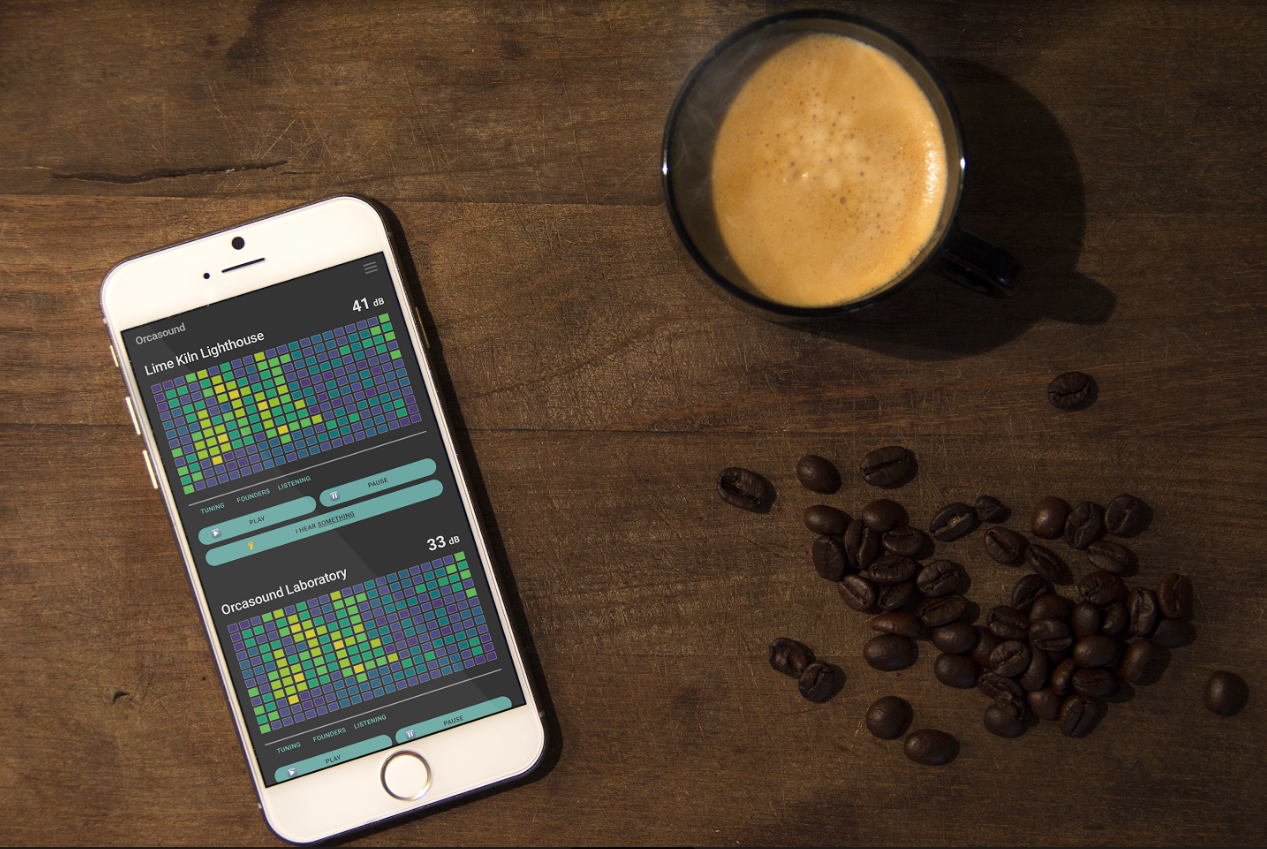
The main goal of the Orcasound web app, launched in November, 2018, is to make it easy to listen without limits to live hydrophones in your favorite browser on your favorite device. In 2019, we started testing new…
AI for orcas: open bioacoustic data science
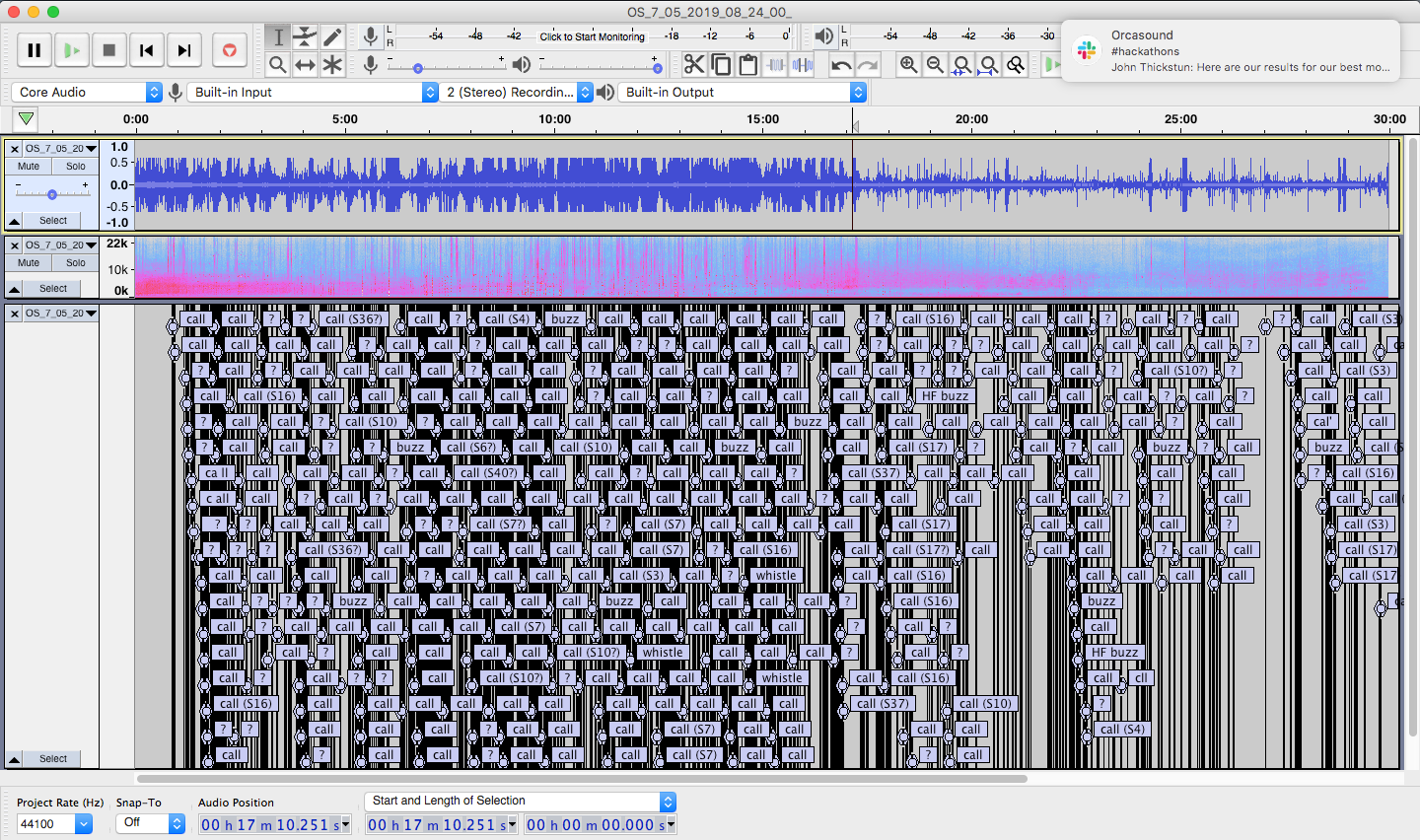
The “AI for Orcas” project (#ai4orcas) represents a 2-decade effort by the Orcasound and open-source communities to develop machine learning models to classify signals made by killer whales (calls, clicks, and…
Salish Sea vessel research
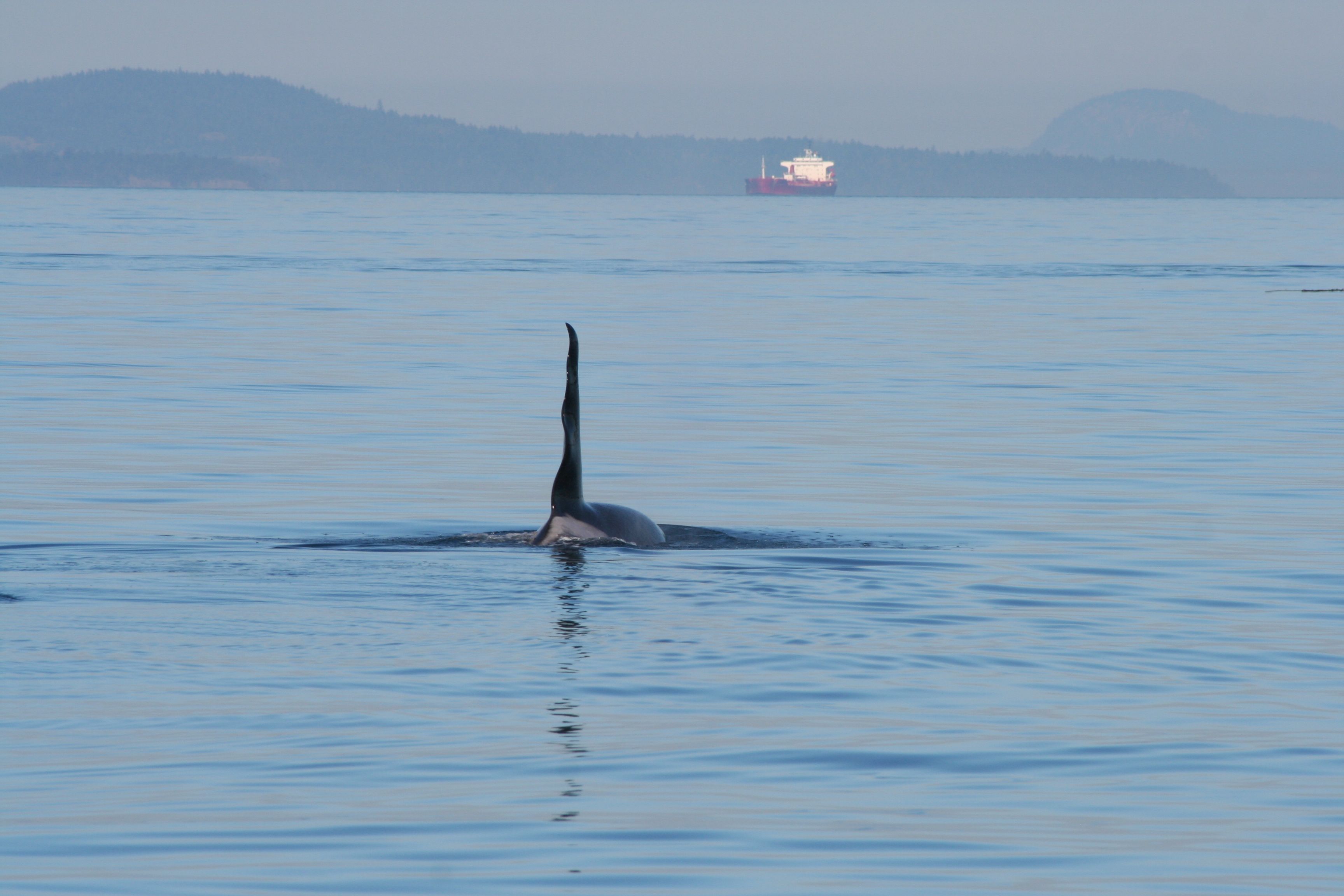
If we think of vessels plying the Salish sea as ships (>~20 meter length) and smaller boats, then Orcasound can focus research questions on both types of vessel:
Port Townsend hydrophone
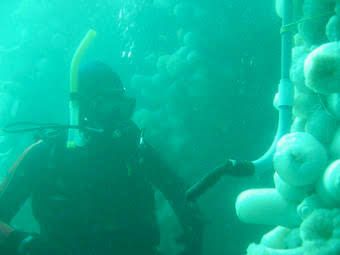
The hydrophones hosted by the Port Townsend Marine Science Center are located at the end of a pier in Fort Warden State Park that extends into Admiralty Inlet. Within a sheltered embayment between Points Wilson and…
Orcasound Lab hydrophone
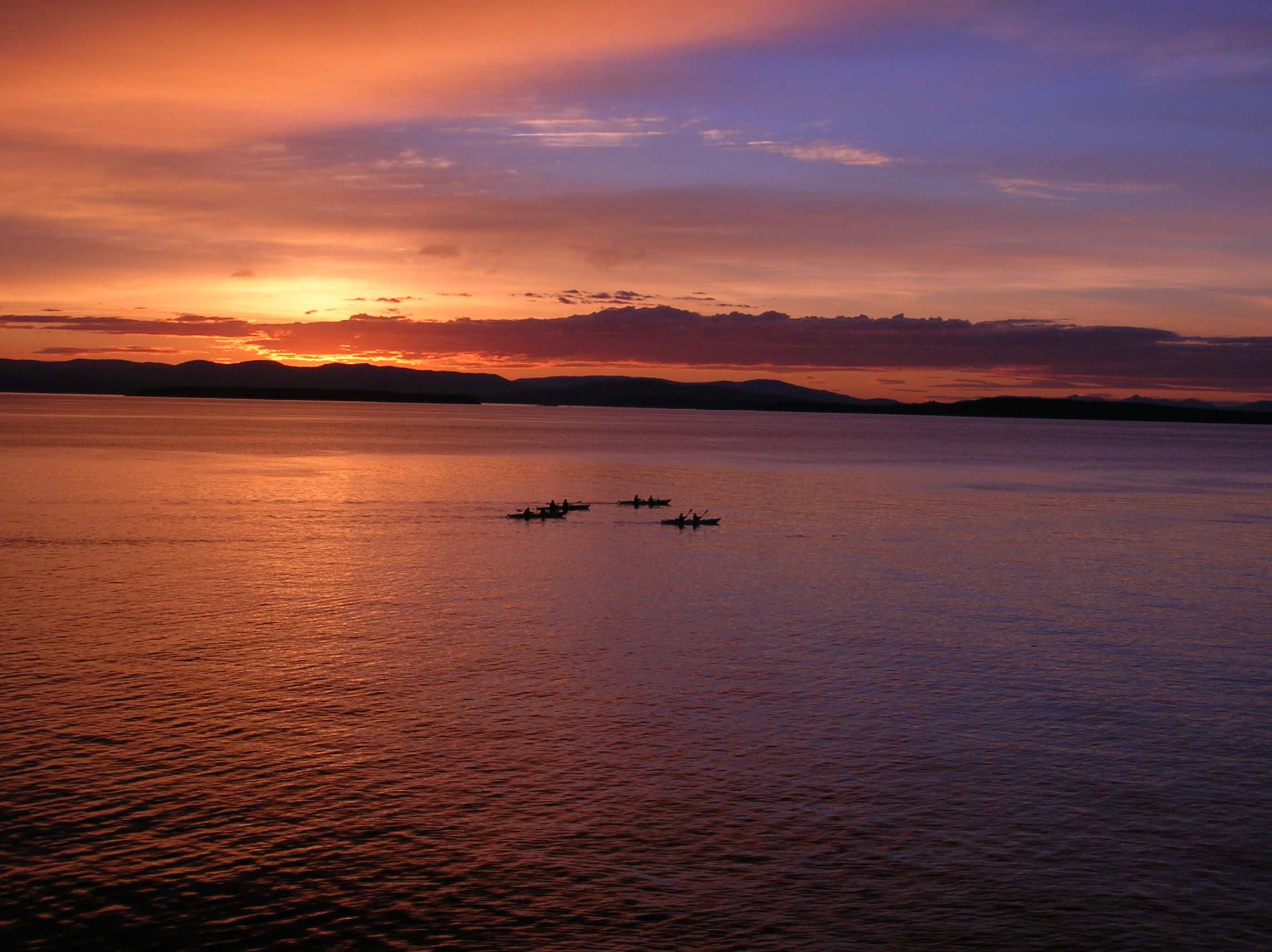
Centered within the summertime habitat of the endangered southern resident killer whales, Orcasound Lab is a good place to listen for orcas as well as ships passing through Haro Strait and boats traveling along the west…
Bush Point hydrophone
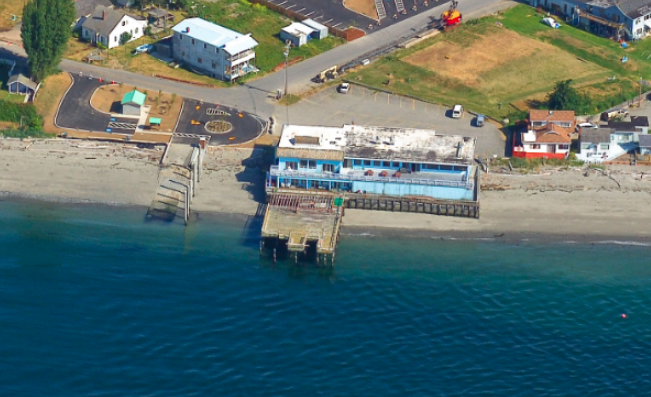
Located on the southwest shoreline of Whidbey Island (WA, USA), Bush Point projects into Admiralty Inlet where strong Pacific tides rush to and from Puget Sound. The tidal mixing of sea and river waters attracts marine…
Ocean listening exhibit (Langely Whale Center)
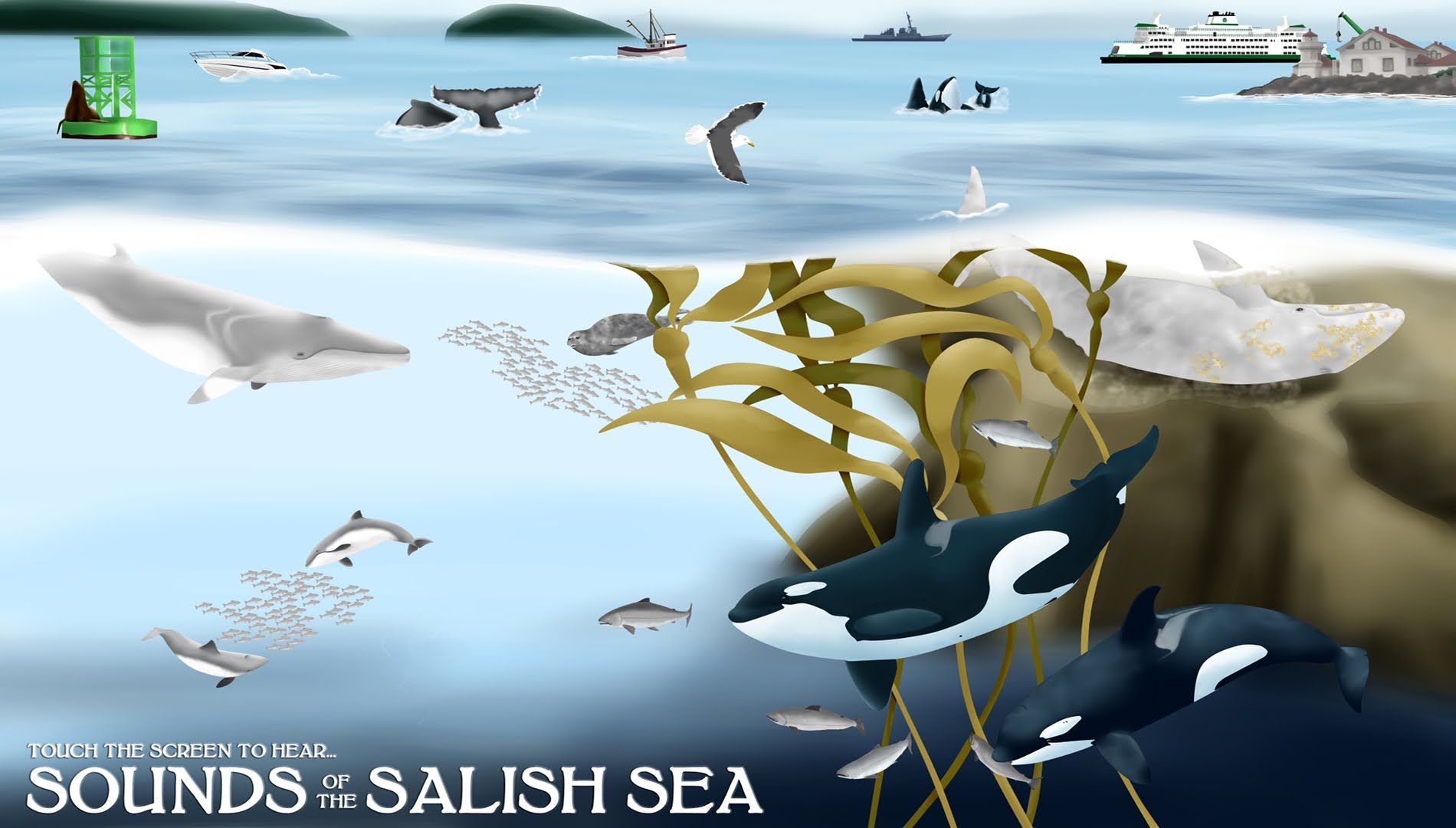
A vintage phone booth becomes an ocean listening exhibit! You can listen to recordings of common Salish Sea sounds from home, or — better yet — experience the exhibit inside the converted phone booth at the Langley…
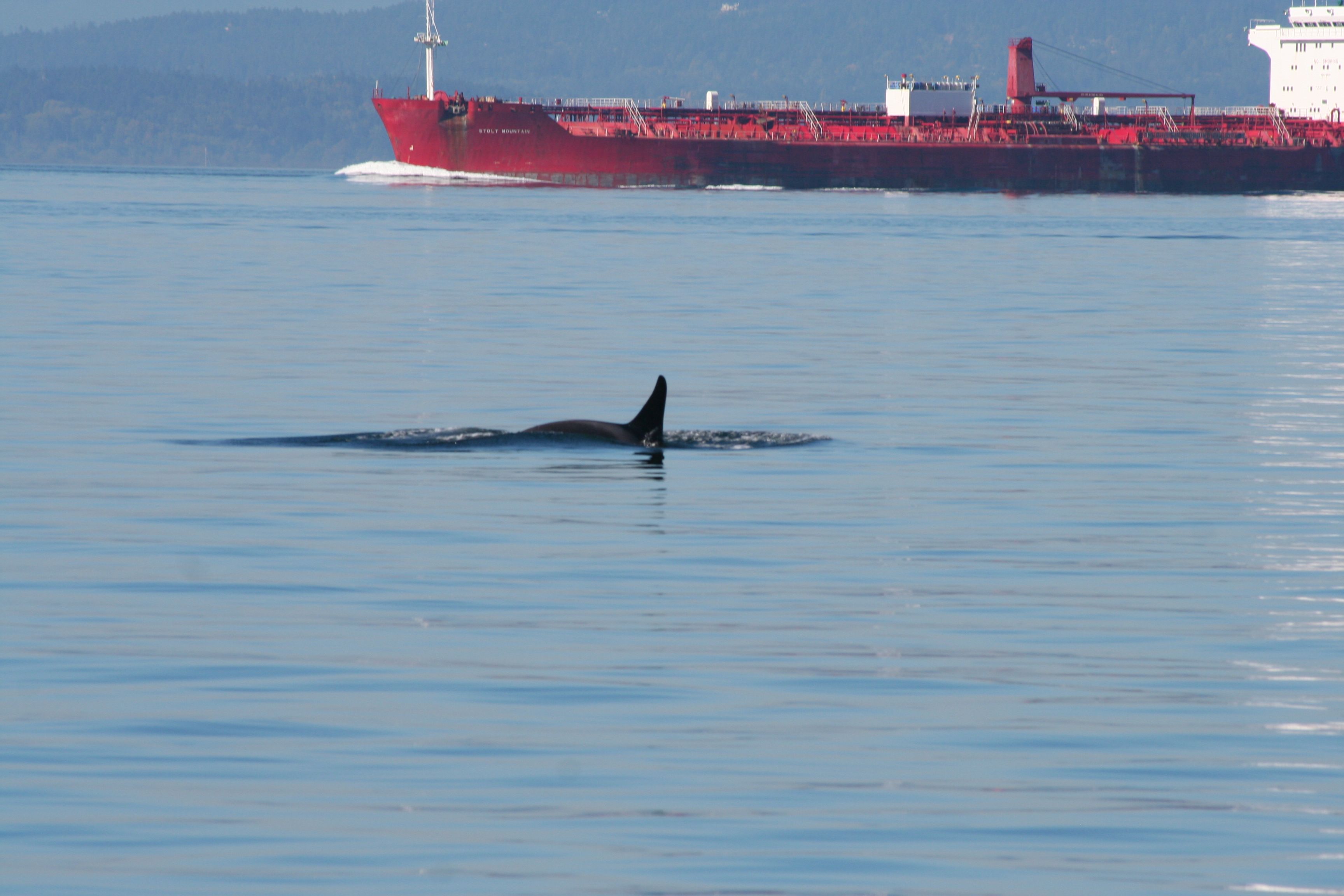
2017 orca behavior study
How do southern resident killer whales (SRKWs) respond to noise from ships and boats — like these examples?